
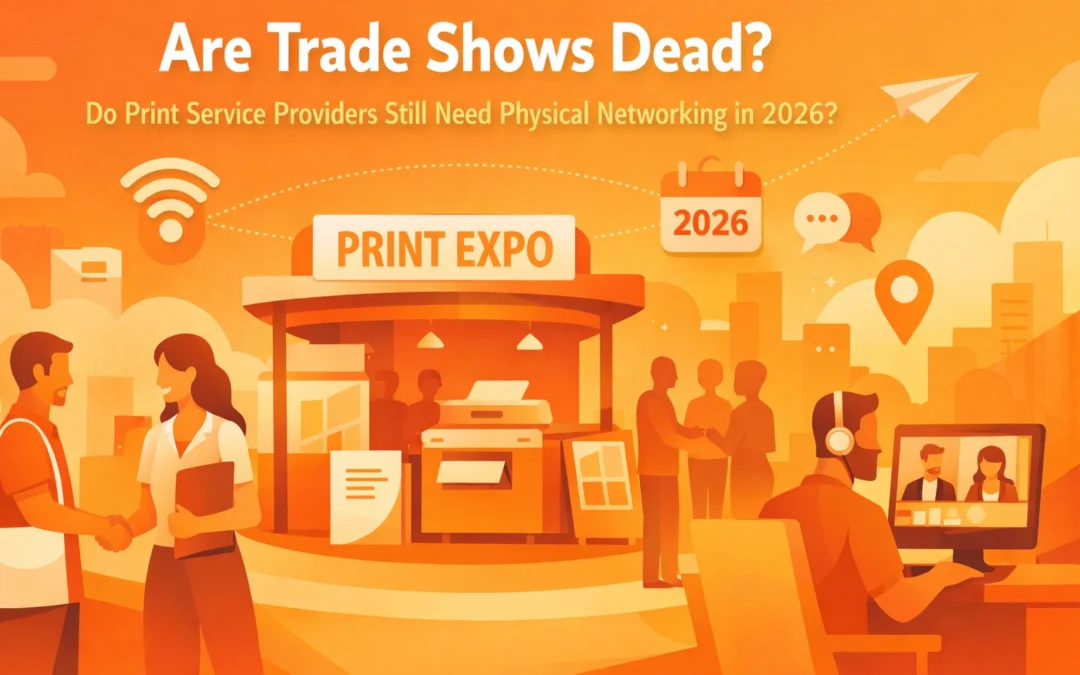
The rumors of the trade show's demise have been greatly exaggerated. Despite widespread speculation that digital transformation would render physical exhibitions obsolete, the global exhibition industry is projected to increase rented space by over 5% year-over-year in 2026. For print service providers questioning whether booth investments still deliver returns, the answer is nuanced but ultimately affirmative: trade shows are not dying, but they are evolving rapidly.
The question for Creative Design Hub and similar businesses is not whether to participate in physical networking, but how to adapt strategies to match the transformed landscape of experiential marketing.
The Data Contradicts the Decline Narrative
Industry forecasts paint a picture of expansion rather than contraction. Organizers across sectors report sustained strength in exhibit sales, particularly among brands prioritizing experience-driven booth designs over traditional display models. This growth occurs alongside, not in spite of, the digital tools that were supposed to replace in-person events.
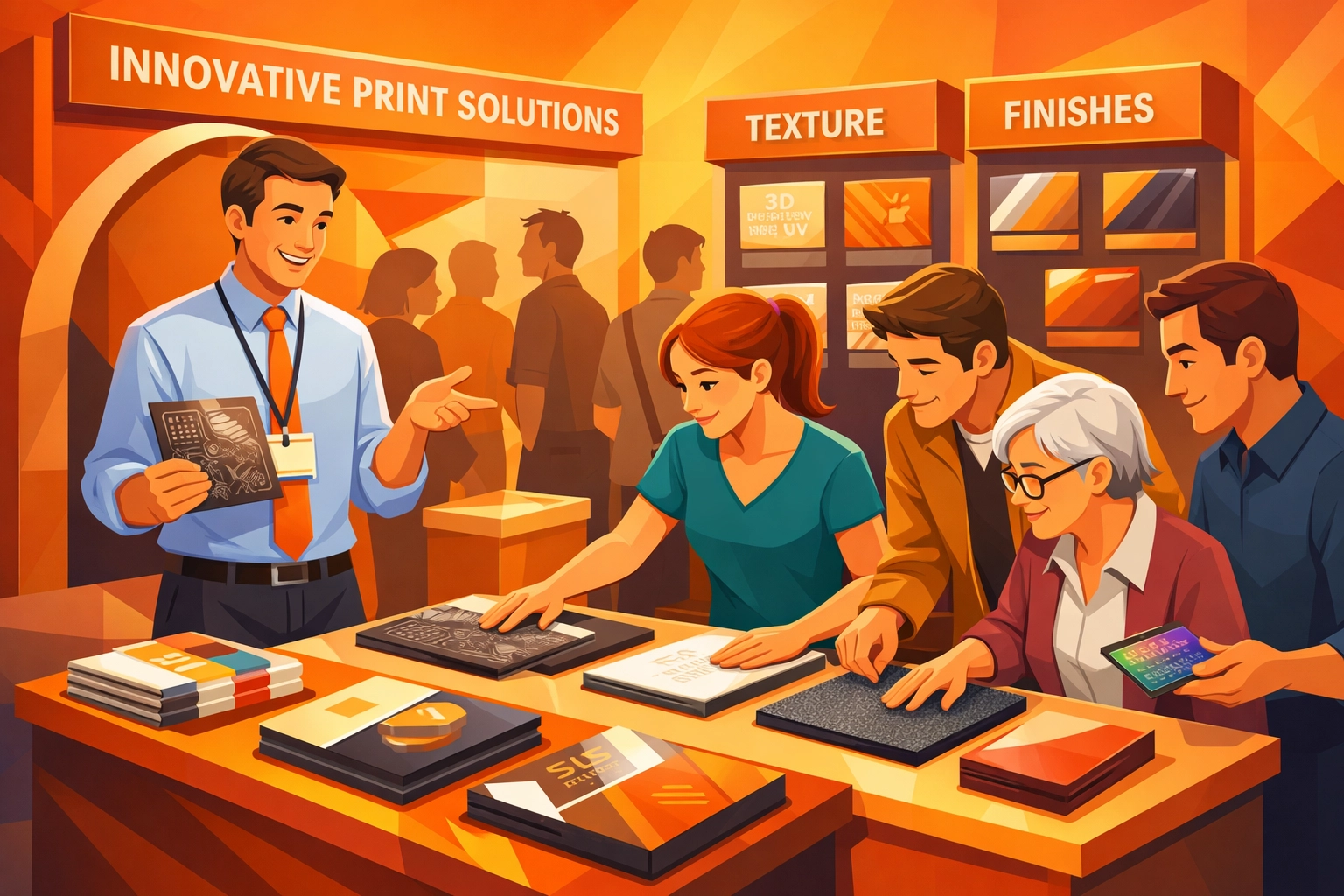
The resilience stems from a fundamental business reality: certain types of interactions, demonstrations, and relationship-building cannot be replicated effectively through screens. Print service providers showcasing substrate textures, finishing techniques, or color accuracy benefit from the tactile dimension that video calls and digital portfolios cannot provide.

However, interpreting this growth as permission to maintain outdated booth strategies would be a costly mistake. The trade shows thriving in 2026 bear little resemblance to their 2016 predecessors.
The Shift Toward Experiential Marketing
Modern trade shows function as theaters of experience rather than galleries of products. Static displays featuring brochure stacks and monitor loops are giving way to immersive environments designed to engage multiple senses simultaneously. Attendees increasingly remember experiences over static information, creating competitive advantage for exhibitors who prioritize sensory engagement.
For print service providers, this shift requires rethinking booth design fundamentals. Instead of merely displaying printed samples, successful exhibitors now create interactive demonstrations where potential clients experience production processes, test material durability, or collaborate on live design projects. The booth becomes a working studio rather than a showroom.
This experiential approach aligns with broader marketing trends emphasizing authenticity and transparency in brand storytelling. Direct face-to-face interactions build trust and loyalty more effectively than digital channels, particularly when selling complex services requiring consultation and customization. A brief conversation at a booth can convey expertise, reliability, and cultural fit in ways that months of email exchanges cannot match.
Data Collection at Physical Events
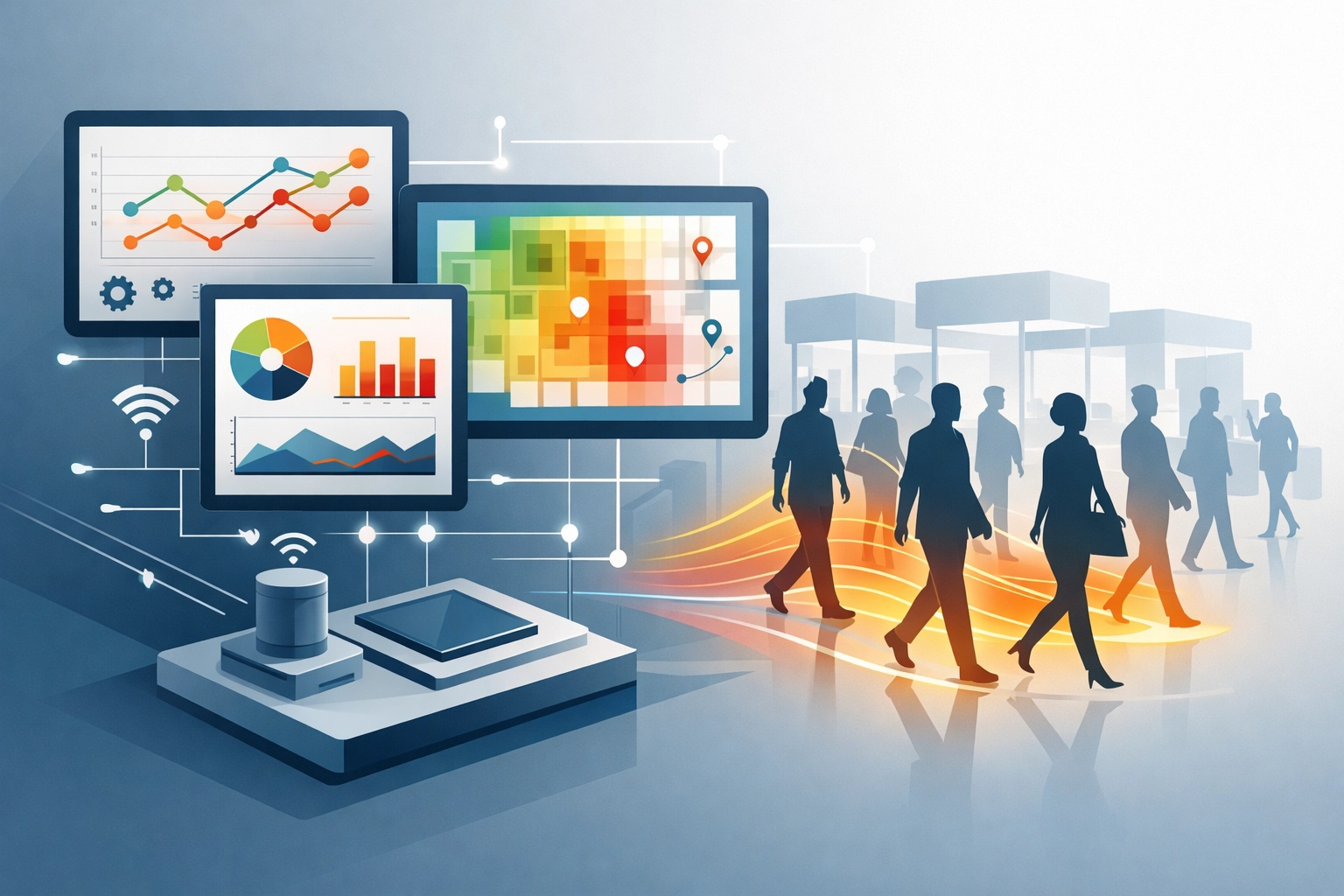
One advantage physical trade shows maintain over purely digital alternatives is the precision and depth of data collection they enable. Modern exhibition technology allows exhibitors to capture analytics on lead quality, movement patterns through booth spaces, engagement zones attracting sustained attention, and meaningful content interactions.
This data proves difficult to gather as effectively in virtual settings where attention metrics remain imperfect and environmental context disappears. A print service provider can determine which sample categories draw the longest examination, which finishing techniques prompt questions, and which price points trigger immediate interest versus deferred consideration.
The strategic value extends beyond individual lead qualification. Aggregated data reveals market trends, competitor positioning, and emerging client priorities that inform product development and service offerings. Physical booths function as research laboratories when equipped with appropriate measurement systems.
The Hybrid Model Expands Reach
The most successful trade shows in 2026 treat virtual attendees as first-class participants rather than afterthoughts. Livestreams, virtual tours, and on-demand content extend reach beyond physical attendees while creating permanent assets for ongoing marketing efforts. This hybrid approach addresses the geographic and scheduling limitations that historically restricted trade show ROI.
Print service providers can leverage hybrid formats to demonstrate capabilities to clients unable to attend in person while maintaining the sensory advantages physical presence provides for those who do attend. A well-executed hybrid strategy multiplies touchpoints without multiplying costs proportionally.
The key lies in designing content specifically for each channel rather than simply broadcasting booth activities. Virtual attendees need structured presentations, clear calls to action, and interactive elements that compensate for physical absence. Physical attendees need experiential elements that justify travel and time investment.
Sustainability as Competitive Differentiator
Environmental consciousness has evolved from nice-to-have to business imperative within exhibition strategy. Forward-thinking exhibitors now emphasize recycled materials, modular systems allowing booth component reuse, and minimal waste generation. For print service providers, this trend creates both challenges and opportunities.
Demonstrating sustainability credentials through booth design itself sends powerful messages about operational values and environmental commitment. Clients increasingly factor sustainability into vendor selection, making green practices visible competitive advantages. A booth constructed from recycled substrates produced using water-based inks becomes a three-dimensional advertisement for environmental responsibility.
This alignment between booth design and business offerings creates authentic storytelling opportunities. Print service providers can position themselves as sustainability partners rather than mere production vendors, elevating conversations from transactional to strategic.
Strategic Considerations for Print Service Providers
The transformed trade show landscape requires print service providers to evaluate participation through multiple lenses. Traditional ROI calculations focusing solely on immediate lead generation miss significant value creation occurring through brand positioning, market intelligence gathering, and relationship deepening with existing clients.
Successful booth strategies in 2026 integrate several elements simultaneously. Interactive demonstrations showcase technical capabilities while building personal connections. Data collection systems identify qualified leads while revealing market trends. Sustainable design choices communicate values while reducing long-term costs through component reusability.
Budget allocation should reflect this complexity. Rather than maximizing booth size, focus resources on experience quality, technology integration, and staff training. A smaller booth with thoughtful experiential design outperforms a large space filled with static displays.
Pre-show and post-show activities deserve equal attention to booth presence itself. Social media promotion, targeted invitations, and scheduled meetings ensure foot traffic. Systematic follow-up processes convert conversations into contracts. The booth represents one touchpoint in an extended engagement sequence.
Looking Forward
Trade shows have not died. They have matured into sophisticated marketing channels requiring strategic sophistication matching their complexity. Print service providers who adapt booth strategies to emphasize experiential engagement, data-driven measurement, hybrid amplification, and sustainability positioning will find physical networking remains not only viable but valuable in 2026.
The question is not whether to participate in trade shows but how to participate effectively. Static approaches fail while innovative strategies succeed. The businesses thriving in this evolved landscape recognize that physical networking provides unique advantages when executed with intention, creativity, and measurement discipline.
For those questioning whether trade show investments still deliver returns, the data suggests they do, provided strategies evolve alongside the medium itself. The physical booth remains powerful when designed for experience, optimized for data collection, extended through hybrid formats, and aligned with sustainability values clients increasingly demand.
Works Cited
PRINTING United Alliance. "2026 Exhibition Industry Forecast and Trends Report." PRINTING United Alliance Research Division, 2026.
American Institute of Graphic Arts (AIGA). "The Evolution of Experiential Marketing in Creative Services." AIGA Design Business Journal, vol. 41, no. 2, 2026, pp. 34-47.
Trade Show Executive. "Hybrid Event Strategies: Blending Physical and Digital Experiences." Trade Show Executive Magazine, January 2026, pp. 22-29.
Exhibition Industry Research Center. "Sustainability Practices in Modern Trade Show Design." EIRC Quarterly Report, Winter 2026.
Global Exhibition Analytics Consortium. "Multisensory Engagement and Attendee Memory Retention Study." Journal of Exhibition Marketing, vol. 28, no. 1, 2026, pp. 156-174.
Recent Comments